Want Private Label T Shirts With Your Own Brand Tag?
Establishing one's own brand clothing line is by no means out of reach. According to statistics, the global private label T shirt market size exceeded 76 billion US dollars in 2023, with a stable compound annual growth rate of 5.8%. The typical operation process is that the brand owner selects the basic style, such as 24-count cotton 180g plain weave sweat fabric round collection. The ODM manufacturer can complete the confirmation of the digital printed pattern garment within an average of 7 working days after receiving the design draft. Referring to the private label strategy of e-commerce giant ASOS, it can achieve an average of only 25 days from order confirmation to listing through a flexible supply chain, and supports a minimum order quantity as low as 200 items, lowering the entry threshold for small and medium-sized brands.
Cost structure and capital planning are particularly crucial. Take the supply chain in Guangzhou, China as an example. The basic cost of a standard 220g combed cotton round-neck shirt is approximately 2.3 US dollars (including fabric, labor and basic processing). Single-color screen printing adds 0.3 US dollars, and heat transfer printing needs to increase to 1.2 US dollars. When the order volume reaches 1,500 pieces, the scale effect can reduce the overall cost by 18% to 22%. Allbirds, a well-known D2C brand, reported in its 2022 financial report that the gross profit margin of its private label series reached 58%, far exceeding the 34% of its agency brands, confirming the advantage of cost controllability. Brand customization needs to take into account the production of woven labels, wash labels and tags - the unit price of polyester woven labels is about 0.12 US dollars per piece, and it can be reduced to 0.08 US dollars when the order exceeds 3,000 pieces.
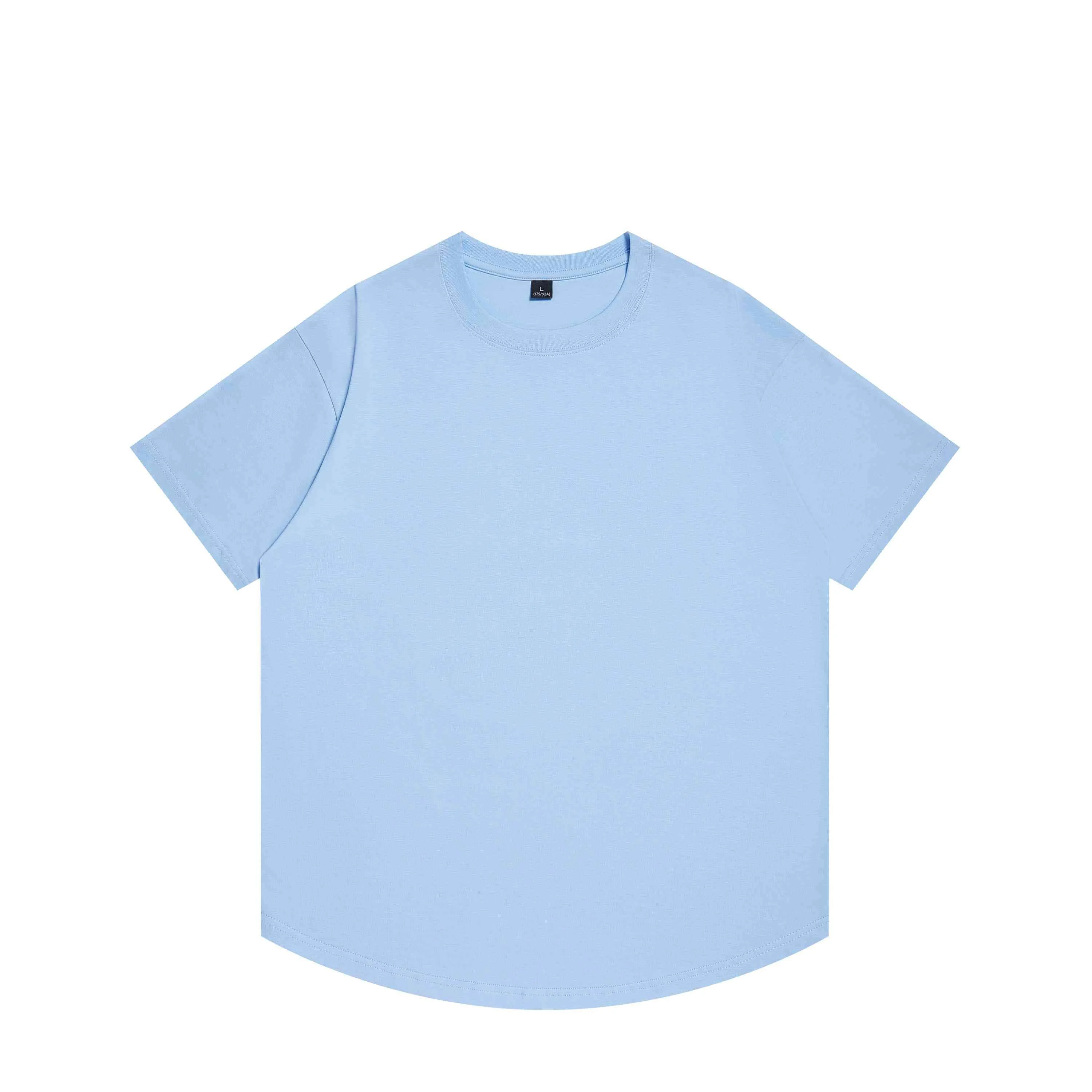 The potential for product customization directly affects brand value spillover. According to the statistics of Printful platform in 2023, the average transaction value of customers choosing private label T shirts reached 29.5 US dollars, with a premium rate of 80% compared to wholesale OEM products. Nike has raised the price of its summer sports T-shirts to the $45 range by using its self-developed fabric labels with Dry-Fit technology. The functional description labels have contributed to a 23% increase in repurchase rates. Data shows that the return rate of clothing with brand story tags has dropped to 8.7%, lower than the industry average of 15.4%, effectively enhancing consumers' perceived value.
Operational efficiency and supply chain resilience are the core indicators of success or failure. Brands adopting the JIT model can achieve an inventory turnover rate of 35 times a year, which is 300% higher than the traditional wholesale model. During the pandemic crisis in 2020, the American brand Next Level successfully controlled the risk of supply disruption within 7% through a network of three private label suppliers scattered in Vietnam, Bangladesh and Honduras, and maintained the on-time delivery rate of orders at 91%. It is also recommended that brands reserve 10% to 15% of their budget for AQL inspection (in accordance with the ISO2859 standard Level II sampling scheme), which can keep the defect rate within an acceptable threshold of 2.5%.
The flexibility of the Private label model enables brands to precisely target their customer groups. For instance, Everlane's labels made of 100% organic cotton and marked with carbon footprints have seen a 37% increase in annual sales among Generation Z customers. When the number of SKUs in a single season is controlled at 8 to 12, the supply chain efficiency can be maximized. Data shows that with this configuration, the turnover time for a single item can be compressed to 19 days. Brand owners need to strike a balance between quality control and response speed. Usually, they reserve a gross profit margin of 13% to 18% to support full-chain optimization in order to ensure sustainable competitiveness.
The potential for product customization directly affects brand value spillover. According to the statistics of Printful platform in 2023, the average transaction value of customers choosing private label T shirts reached 29.5 US dollars, with a premium rate of 80% compared to wholesale OEM products. Nike has raised the price of its summer sports T-shirts to the $45 range by using its self-developed fabric labels with Dry-Fit technology. The functional description labels have contributed to a 23% increase in repurchase rates. Data shows that the return rate of clothing with brand story tags has dropped to 8.7%, lower than the industry average of 15.4%, effectively enhancing consumers' perceived value.
Operational efficiency and supply chain resilience are the core indicators of success or failure. Brands adopting the JIT model can achieve an inventory turnover rate of 35 times a year, which is 300% higher than the traditional wholesale model. During the pandemic crisis in 2020, the American brand Next Level successfully controlled the risk of supply disruption within 7% through a network of three private label suppliers scattered in Vietnam, Bangladesh and Honduras, and maintained the on-time delivery rate of orders at 91%. It is also recommended that brands reserve 10% to 15% of their budget for AQL inspection (in accordance with the ISO2859 standard Level II sampling scheme), which can keep the defect rate within an acceptable threshold of 2.5%.
The flexibility of the Private label model enables brands to precisely target their customer groups. For instance, Everlane's labels made of 100% organic cotton and marked with carbon footprints have seen a 37% increase in annual sales among Generation Z customers. When the number of SKUs in a single season is controlled at 8 to 12, the supply chain efficiency can be maximized. Data shows that with this configuration, the turnover time for a single item can be compressed to 19 days. Brand owners need to strike a balance between quality control and response speed. Usually, they reserve a gross profit margin of 13% to 18% to support full-chain optimization in order to ensure sustainable competitiveness.
The potential for product customization directly affects brand value spillover. According to the statistics of Printful platform in 2023, the average transaction value of customers choosing private label T shirts reached 29.5 US dollars, with a premium rate of 80% compared to wholesale OEM products. Nike has raised the price of its summer sports T-shirts to the $45 range by using its self-developed fabric labels with Dry-Fit technology. The functional description labels have contributed to a 23% increase in repurchase rates. Data shows that the return rate of clothing with brand story tags has dropped to 8.7%, lower than the industry average of 15.4%, effectively enhancing consumers' perceived value.
Operational efficiency and supply chain resilience are the core indicators of success or failure. Brands adopting the JIT model can achieve an inventory turnover rate of 35 times a year, which is 300% higher than the traditional wholesale model. During the pandemic crisis in 2020, the American brand Next Level successfully controlled the risk of supply disruption within 7% through a network of three private label suppliers scattered in Vietnam, Bangladesh and Honduras, and maintained the on-time delivery rate of orders at 91%. It is also recommended that brands reserve 10% to 15% of their budget for AQL inspection (in accordance with the ISO2859 standard Level II sampling scheme), which can keep the defect rate within an acceptable threshold of 2.5%.
The flexibility of the Private label model enables brands to precisely target their customer groups. For instance, Everlane's labels made of 100% organic cotton and marked with carbon footprints have seen a 37% increase in annual sales among Generation Z customers. When the number of SKUs in a single season is controlled at 8 to 12, the supply chain efficiency can be maximized. Data shows that with this configuration, the turnover time for a single item can be compressed to 19 days. Brand owners need to strike a balance between quality control and response speed. Usually, they reserve a gross profit margin of 13% to 18% to support full-chain optimization in order to ensure sustainable competitiveness.