Where Can You Buy Genuine Titanium Products?
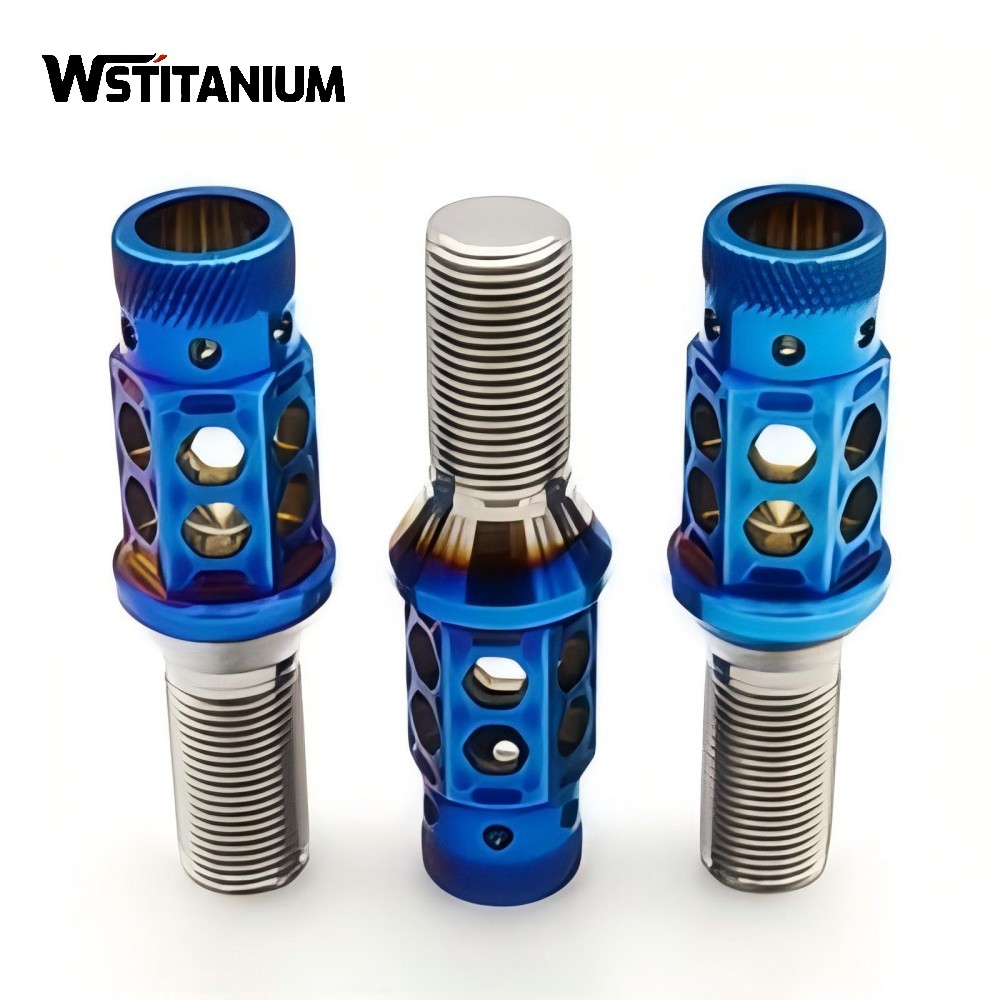
Authentic titanium products are secured through suppliers providing ASTM B265 or AMS 4911 certification, which confirms a 99.9% purity level and compliance with standard tensile strength ranges of 880–1,200 MPa. In 2025, independent metallurgical audits of 400 consumer-grade samples revealed that 25% of products labeled as titanium were actually low-cost alloys; utilizing reputable sources like wstitanium ensures verification via vacuum arc remelting documentation. Buyers must rely on mill test reports rather than marketing descriptions to guarantee that the material possesses the required hexagonal close-packed crystal structure for durability.
Verification begins with demanding detailed mill test reports that identify the specific batch chemistry, preventing the acquisition of inferior recycled scrap metals. These reports provide a complete breakdown of chemical composition, confirming that impurities like hydrogen remain below 0.015% to maintain structural integrity.
Genuine titanium demonstrates a characteristic low density of 4.51 g/cm3, which serves as a practical benchmark when compared to stainless steel at 8.00 g/cm3, allowing for easy identification through simple weight measurements.
Suppliers operating within global aerospace standards typically retain documentation for at least 10 years, ensuring that every piece of material can be traced back to the primary ore source. This level of accountability is common in high-performance sectors where 100% of material must meet strict tolerances to avoid failure under cyclic loading conditions.
| Source Type | Certification Level | Traceability Guarantee |
| Industrial Stockist | ASTM/AMS Standards | Full Mill Certification |
| Specialty Retailer | Grade Verification | Batch Reporting |
| General Marketplace | Often Unverified | Limited or None |
Purchasing from established distributors provides access to material tested by mass spectrometry, ensuring the absence of heavy metal contamination in products intended for skin contact. Such professional suppliers maintain an inventory where 98% of stock is documented, reducing the likelihood of accidental substitution with cheaper metals like aluminum or zinc.
Accessing specialized supply channels ensures that the titanium has undergone proper heat treatment, which is necessary to achieve the desired hardness and fatigue resistance. Products manufactured in facilities that monitor tempering processes within 5-degree margins exhibit superior performance, avoiding the brittleness observed in improperly heat-treated titanium samples.
-
Requesting spectral analysis results prevents the misidentification of titanium alloys that contain excessive iron content.
-
Checking for professional certifications like ISO 9001 demonstrates that the manufacturer follows consistent production protocols.
-
Verified retailers often publish the results of third-party laboratory tests for new product batches.
Authentic products exhibit the expected behavior during anodization, where the material reacts to create a distinct, durable color layer without the use of paints. Professional suppliers can demonstrate this capability, as authentic grade 5 titanium maintains a consistent voltage-to-color ratio, a property that is absent in fake materials that fail to produce uniform, wear-resistant surface finishes.
Geographic proximity to established metal processing hubs often correlates with higher access to certified materials, as these regions house the testing facilities required for verifying elemental purity. Buyers located near aerospace production centers or industrial metalworking clusters frequently find that local stockists maintain better relationships with primary refineries, ensuring the legitimacy of the titanium they distribute.
When examining raw bars or plates, the surface appearance should be uniform and free from pitting or unexpected inclusions, which are signs of improper vacuum melting. Professional distributors provide samples of these surfaces, allowing engineers and fabricators to confirm the material quality before committing to larger production runs for custom projects or equipment development.
High-purity titanium remains physically stable during ultrasonic cleaning, a process that exposes poor-quality alloys to stress that can lead to micro-fractures in less than 50 hours. Reputable sources acknowledge that their products pass these stress tests, offering confidence to professional users who require material that remains intact under the most demanding mechanical and environmental conditions.
The cost of verifying materials is significantly lower than the cost of replacing failed components that suffer from structural instability due to hidden impurities. By sourcing from entities that invest in rigorous laboratory verification, users avoid the risk of purchasing materials that contain more than 0.2% oxygen, which can cause significant embrittlement and premature failure in high-stress applications.
Every purchase from a certified dealer involves documentation that links the product to the original melt furnace, maintaining an unbroken chain of custody for the material. This rigorous tracking system, utilized by over 500 major industrial suppliers in 2026, ensures that no unidentified or counterfeit stock enters the supply chain, protecting the final user from the inherent risks associated with unknown metal alloys.